1
/
of
1
Welch Allyn
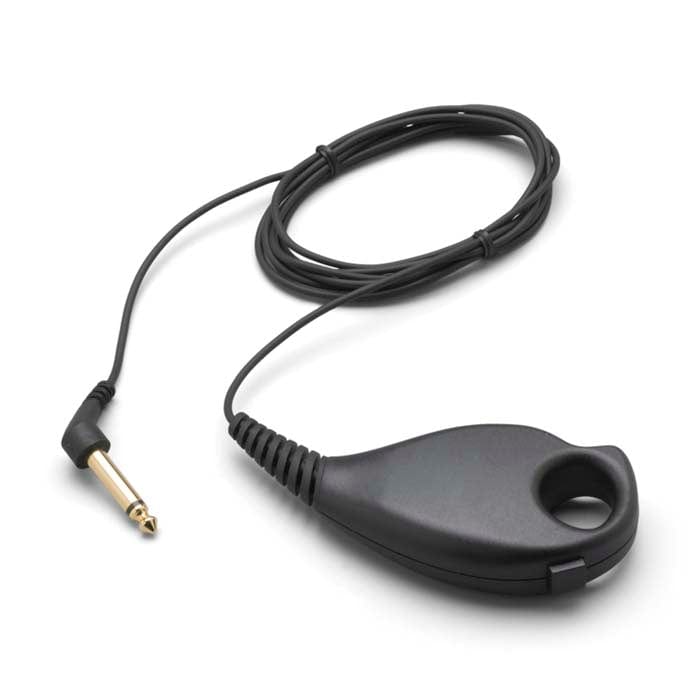
Response Hand switch for Audiometer AM232 and TM262
Response Hand switch for Audiometer AM232 and TM262
Regular price
$432.26 AUD
Regular price
Sale price
$432.26 AUD
Unit price
/
per
Shipping calculated at checkout.
Couldn't load pickup availability
Welch Allyn Response Hand Switch for Audiometer AM232 and TM262
Product Overview The Welch Allyn Response Hand Switch (SKU WAL01232) is a dedicated accessory designed for use with the Welch Allyn AM232 and TM262 audiometers. This component facilitates patient response input during hearing threshold testing procedures. The unit connects directly to the audiometer interface, allowing clinicians to record patient responses accurately during pure-tone audiometry sessions. Key Features- Compatible Models: Specifically engineered for the Welch Allyn AM232 and TM262 audiometer systems.
- Functionality: Provides a manual input mechanism for patients to signal when they detect an auditory stimulus. This ensures precise threshold determination during clinical assessments.
- Build Quality: Constructed from durable materials suitable for high-frequency clinical environments. The switch mechanism is designed for repeated use over extended periods of daily operation.
- Integration: Connects seamlessly to the designated port on compatible Welch Allyn audiometers, maintaining signal integrity and operational reliability.
- Brand: Welch Allyn
- Product Type: Audiometer Accessory / Response Switch
- Model Compatibility: AM232, TM262
- Part Number: 23220
- SKU: WAL01232
Share